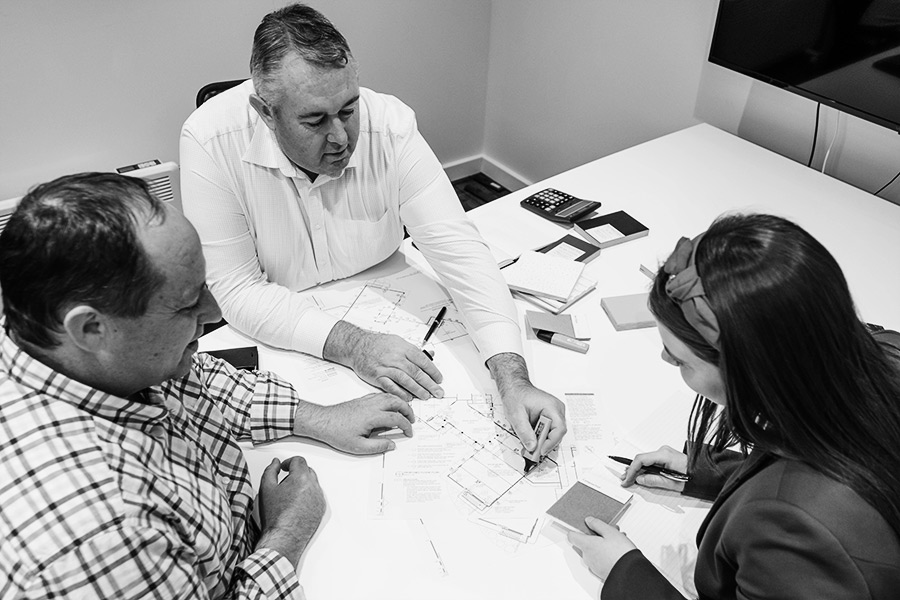
A Space Designed for People
Not all workplaces feel the same.
Some spaces feel calm, intuitive and easy to move through. People know where to go, where to focus, where to meet and how to work without friction. Other spaces feel tiring almost the moment you walk in. They may look acceptable on the surface, but something feels off. Noise travels. Movement feels awkward. Concentration is harder than it should be. Even simple tasks seem to take more effort.
That difference is rarely accidental.
The most effective workplaces are not just visually appealing. They are carefully planned to support the way people work, interact and move throughout the day. When a space feels effortless, it is usually because the design is doing more work than most people realise.
A Good Workplace Should Reduce Friction
At its best, a workplace should make everyday tasks easier.
People should be able to move between focused work, collaboration, meetings and informal conversations without constantly adapting to the space around them. A well considered environment supports this naturally. It gives people what they need in the right place, at the right time, without asking them to work around poor layout or unnecessary distractions.
When that does not happen, friction builds quickly.
It can be small things at first. Staff walking further than they need to. Meetings being held in the wrong places because there are not enough suitable rooms. Noise spilling into focused work areas. A lack of privacy for calls or confidential conversations. Over time, these issues create fatigue and unproductivity. The space begins to work against the team instead of supporting them.
Layout Has a Bigger Impact Than Most People Expect
One of the most common reasons a workplace feels draining is that the layout no longer reflects how the business actually operates.
Many commercial spaces evolve without a clear long term plan. Teams grow, roles change, technology shifts and the way people use the workplace changes too. But the environment often stays the same. What once worked well can slowly become inefficient, not because the business is doing anything wrong, but because the space has fallen out of step with it.
A good layout does more than fit desks into a floor space. It considers how teams interact, how often people need privacy, where collaboration happens, how visitors move through the space and what daily tasks require the most support.
When those decisions are made well, the workplace feels seamless. When they are not, people feel the strain every day, even if they cannot immediately explain why.
Noise Changes Everything
Acoustics are one of the biggest factors in how a workplace feels, and one of the most underestimated.
A noisy office is not just irritating. It makes concentration harder, increases fatigue and affects the overall sense of comfort in the space. In open plan environments, poor acoustic control can turn an otherwise attractive office into a frustrating place to work.
The challenge is that noise often becomes normalised. Teams adapt. It becomes part of the everyday environment. They wear headphones more often, leave their desks for calls or avoid certain tasks during busy parts of the day. These workarounds may seem small, but they are signs that the environment is not performing as it should.
Thoughtful acoustic planning can make a major difference. Materials, zoning, room placement and product selection all contribute to how sound behaves in a space. When acoustics are handled properly, the workplace feels calmer, more comfortable and easier to focus in.
Light, Flow and Comfort Matter Too
A workplace is experienced physically as much as visually.
Natural light, circulation, spacing and furniture placement all influence how comfortable a space feels over time. If pathways are awkward, people constantly cross through focused work zones or workstations feel cramped, the result is subtle but cumulative stress.
This is where commercial interiors often succeed or fail. A space can be beautifully finished, but if it does not support movement and comfort, it will not feel effortless in practice.
The strongest workplaces create a sense of ease. People can move through the environment without interruption. Shared areas feel accessible. Quiet areas feel protected. Different parts of the workspace support different tasks without competing with one another.
That kind of balance does not happen by chance. It comes from understanding how the business works and translating that into practical design decisions.
The Emotional Impact of a Workspace Is Real
People respond to space emotionally, even in commercial environments.
A workplace can make people feel calm, energised, confident and focused. It can also make them feel distracted, flat or overwhelmed. These responses are not just about aesthetics. They are shaped by how well the space supports what people are trying to do.
This matters not only for staff, but also for clients, visitors and partners. The environment surrounding a business sends strong signals about professionalism, care and attention to detail. If the space feels disorganised or outdated, that impression carries weight. If it feels clear, considered and functional, that does too.
The best workplaces support performance while also reinforcing trust.
Why Effortless Spaces Are Usually the Most Strategic
When a workplace feels effortless, it is often because someone has taken the time to think strategically about how it should function.
That means asking the right questions early. How does the team work? What does the day-to-day actually look like? Where are the pressure points? What needs privacy? What needs flexibility? What will this business need from the space in two or five years?
Without that level of thinking, commercial interiors can become reactive. Poor decisions get made. Desks are added where they fit. Meeting rooms are created where space happens to allow. Storage is dealt with later. Acoustics become an afterthought. Individually these choices may seem manageable, but together they shape how the workplace performs.
A strategic approach avoids that. It creates an environment that feels simpler, not because less has gone into it, but because more has been considered.
A Better Workplace Should Feel Better to Use
The most successful commercial spaces are not always the most expensive or the most visually striking. Often, they are the ones that simply feel good to work in.
They support focus without isolation. They allow collaboration without disruption. They make daily routines easier rather than harder. They create a stronger experience for both staff and visitors. Most importantly, they help the business operate the way it needs to.
That is what separates a workplace that feels effortless from one that feels draining.
The difference is not just design. It is how well the space understands the people using it.