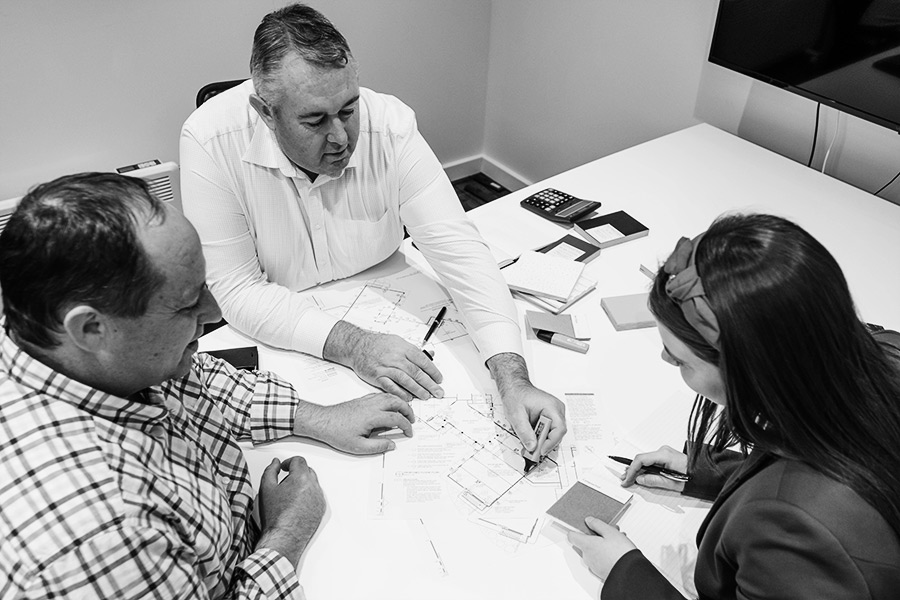
A Space Designed for People
Trust starts forming long before a conversation does.
Customers notice whether the environment feels organised, considered and professional. They notice whether it feels calm, welcoming and easy to navigate. Even if they could not explain exactly why, they are forming an impression.
In commercial environments, that impression matters.
Whether someone is walking into an office, a clinic, a showroom, a retail space or a hospitality venue, the physical environment plays a powerful role in shaping how your business is perceived. Well planned spaces tend to create confidence. Poorly resolved ones can create disorganisation, even when the service itself is strong.
The commercial spaces customers trust most usually have a few key things in common.
They Feel Clear and Easy to Understand
One of the strongest signals a space can send is clarity.
When customers walk into a business, they want to understand where they are, where they should go and what kind of experience to expect. If the layout feels confusing, cluttered or disjointed, it can create low level discomfort almost immediately. People should not have to guess where reception is, wonder where to wait or feel unsure about how the space functions.
Trusted commercial interiors tend to feel easy to read.
That does not mean they are plain or overly simple. It means the layout makes sense. The flow is intuitive. The space supports the customer journey naturally, without forcing people to stop and work it out for themselves. This kind of clarity helps people feel at ease, and ease is often the foundation of trust.
They Reflect a Strong Sense of Professionalism
Professionalism is not only communicated through people and process. It is also communicated through the environment.
Customers often associate the quality of a space with the quality of the business behind it. If a workplace feels tired, poorly maintained or mismatched in its finishes, that perception can influence how capable or reliable the business appears. On the other hand, when a space feels cohesive and well resolved, it sends a message that details matter.
This does not mean every business needs an elaborate or high end fitout. Trust does not come from luxury alone. More often, it comes from consistency, care and functionality. A space that is clean, well considered and suited to its purpose usually creates a stronger impression than one that tries too hard visually but does not function well in practice.
They Support Comfort Without Feeling Overdesigned
Comfort is one of the most underestimated parts of customer trust.
When people feel physically comfortable in a space, they are more likely to feel relaxed, receptive and confident in the interaction that follows. This can be influenced by seating, lighting, acoustics, temperature, privacy and how open or enclosed the space feels.
In customer facing environments especially, discomfort is often remembered more than businesses realise. A waiting area that feels exposed, a noisy meeting room, poor lighting or circulation can all affect how people experience a brand.
Trusted spaces tend to handle these elements quietly and well. They do not always draw attention to themselves, but they support the interaction in a way that feels seamless. Customers leave with a sense that the experience was smooth, professional and considered.
They Align With the Brand Without Relying on Branding Alone
The strongest commercial spaces reflect the identity of the business, but not in a way that feels forced.
Customers pick up on whether an environment matches the promises a brand makes. If a business presents itself as premium, efficient, people focused or innovative, the physical space should support that story. When the space and the brand feel disconnected, trust can weaken. The business may say one thing, but the environment suggests something else.
This is why good commercial interiors go beyond logos, colours or surface level styling. They express the brand through layout, materials, tone, atmosphere and function. A healthcare space might communicate calm and reassurance. A professional office might signal competence and structure. A hospitality venue might create warmth and energy.
The goal is not decoration. It is alignment.
They Show That People Have Been Considered
One of the clearest markers of a trustworthy space is that it feels designed with people in mind.
Customers notice when a space makes their experience easier. They notice when privacy has been considered, when movement feels natural, when waiting areas are comfortable, when acoustics create a calmer environment, and when the space feels built around real use rather than visual effect alone.
This kind of consideration builds confidence because it shows the business has thought about the experience from the customer’s perspective.
It also tends to improve staff experience at the same time. Spaces that support workflow, communication and daily operations more effectively often create better service conditions overall. Customers may not see every design decision, but they feel the outcome of them.
They Create Confidence Through Consistency
Trust grows when the experience feels consistent from start to finish.
If a business has polished branding online but a physical space that feels disorganised, the disconnect is noticeable. If the reception area feels professional but the meeting rooms feel neglected, the overall experience becomes less convincing. Customers are constantly taking in these signals, even when they are not consciously analysing them.
The most trusted commercial spaces feel consistent in their tone, presentation and functionality. The environment supports the same level of quality the business aims to deliver through its people and service. That consistency reinforces credibility.
The Space Around the Service Still Matters
Many businesses think of the customer experience in terms of service, communication and delivery. Those things are essential, but the environment surrounding them matters too.
A commercial interior is not just a backdrop. It shapes how people feel, what they expect and how much confidence they place in the business before anything else happens. In that sense, trust is not built only through conversation. It is also built through atmosphere, clarity, comfort and professionalism.
The spaces customers trust most are rarely the ones trying hardest to impress. More often, they are the ones that feel considered, functional and aligned with the business behind them.
That kind of trust does not come from appearance alone.
It comes from creating a space that works well for the people using it.