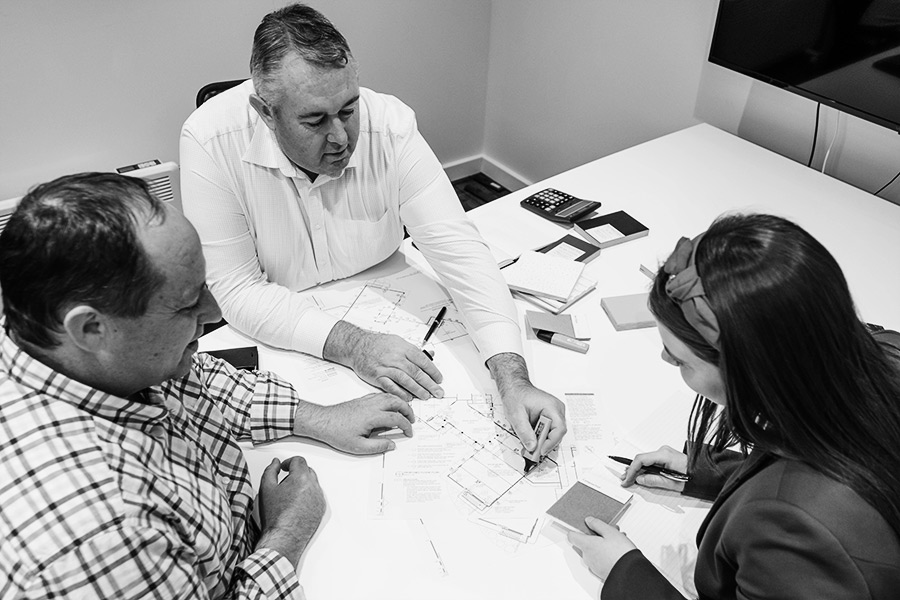
A Space Designed for People
A well designed workspace should do more than solve today’s problems.
It should continue to support the business as teams grow, roles change and the way people work evolves. That is one of the biggest challenges in commercial interior design. A workspace may feel right at the time it is completed, but if it has been designed only for current needs, it can quickly become restrictive.
This is why future thinking matters so much in a fitout.
Designing a workspace that still works in five years or more is not about predicting every detail of what comes next. It is about creating an environment with enough flexibility, structure and practical planning to adapt over time without losing its value.
Start With How the Business Operates
The strongest workspaces begin with a clear understanding of how the business functions day to day.
That includes how teams collaborate, where focused work happens, how often meetings take place, how customers or visitors move through the space and what kinds of tasks need support. These patterns are more important than simply deciding how many desks or rooms are required at the moment.
When a workspace is designed around real operational needs, it is far more likely to stay useful as the business changes. The goal is not to design for a static snapshot of the company. It is to create a space that can keep supporting the way people work, even as that work evolves.
Build Flexibility Into the Layout
One of the most important parts of long term workspace design is flexibility.
Fixed layouts can become a problem when teams expand, departments shift or the business adopts new ways of working. A space that feels efficient today may become awkward if every room has only one possible use or if workstations are locked into a rigid arrangement.
Flexible layouts allow spaces to take on different roles over time. Meeting rooms may need to support the team in different ways. Quiet work zones may need to expand. Shared collaboration areas may need to support different team sizes. The more adaptable the layout, the less likely the business is to outgrow it too quickly.
That does not mean every part of the workspace needs to be open ended. It means the overall design should leave room for change where change is most likely to happen.
Plan Beyond Headcount
A common mistake in workspace planning is designing around the current number of staff without considering future growth.
Headcount matters, but it is only one part of the picture. Businesses also need to think about how roles may shift, whether teams will become more collaborative, whether hybrid work will continue shaping attendance patterns and what kind of space future staff will need to perform well.
A workplace that is already at full capacity on day one can become strained very quickly. On the other hand, a space with thoughtful planning can absorb change more naturally.
This might involve allowing room for additional workstations, designing shared areas that can support multiple uses or thinking carefully about how storage, utilities and infrastructure will support future needs.
Prioritise Function Before Finishes
Visual appeal matters, but long term performance depends much more on how the workspace functions.
It is easy to focus on colours, textures and surface finishes because they are the most visible parts of a project. But the decisions that shape durability, flow and usability are often the ones that matter most five years later.
A workspace that looks strong on completion but struggles with acoustics, storage, circulation or meeting room availability will not age well in practice. The most successful commercial interiors are the ones where practical performance has been resolved first, with finishes then used to reinforce the quality of the space.
A workplace should still look professional in five years, but more importantly, it should still work for the team.
Think Carefully About Acoustics
Acoustics have a major impact on how a workspace performs over time.
Noise issues can often be tolerated in the short term, but they become more frustrating as teams settle into daily routines. In offices where collaboration, video calls and focused work all happen within the same environment, poor acoustic planning can wear down productivity and comfort surprisingly quickly.
Good acoustic design should not be treated as a finishing touch. It should be considered early through layout planning, room placement, surface choices and material selection.
When acoustics are built into the design from the start, the workplace is more likely to remain comfortable and functional as occupancy and activity levels change.
Design for Different Modes of Work
Workplaces now need to support more than one kind of task.
People may move between focused work, team collaboration, private calls, formal meetings and informal discussion within the same day. A workspace that only supports one mode of working will often feel limited over time.
This is why balanced workplace design matters. Staff need access to open areas, quieter spaces, meeting rooms and informal zones that support different types of work without constant friction.
When these needs are considered early, the workspace becomes more resilient. It can continue supporting the team even as work patterns shift.
Choose Durable Materials
Long term performance is also affected by what the workspace is made from.
Materials should be selected not only for appearance, but also for durability, maintenance and how well they suit the level of use the space will receive. High traffic zones, meeting spaces, kitchens and shared areas need finishes that continue to perform without quickly looking tired or worn.
A workspace that ages well feels more consistent and professional over time. It also reduces the need for unnecessary upgrades or repairs.
This does not always require premium materials in every area. It requires smart choices that match the function of each part of the space.
Make Room for Technology and Change
Technology will continue to shape how businesses use their workspaces.
Meeting rooms, desk setups, connectivity, power access and digital collaboration tools all influence how well a space performs. Designing with technology in mind helps prevent the workspace from feeling outdated too quickly.
This means thinking about practical infrastructure, not just current devices. A future-ready workspace should be able to accommodate evolving technology without major disruption.
The same principle applies to the business itself. Teams change, services expand and expectations shift. The most valuable workplaces are the ones that can respond without requiring a complete redesign every few years.
A Good Workspace Should Last Beyond the Initial Excitement
It is easy to judge a fitout by how it looks in the first few months.
The real test comes later. Does the workspace still feel efficient? Does it still support the team? Has it adapted well to change? Does it still represent the business properly?
Designing for five years plus, means thinking beyond the first impression. It means creating a space that continues to function, support growth and deliver value long after the project is complete.
The best workspaces are not just designed for now.
They are designed to keep working.